
Live Local Act Exemption Help for Homestead Rental Property Owners
We help owners of multifamily rental properties claim the Live Local Act property tax exemption and keep it year after year. That means the state certification, the county DR-504AFH filing, resident income checks and annual recertification, for properties in Homestead, Florida City, Cutler Bay and the surrounding area.
- Savings estimate
- Office, phone or video
- Written scope up front
- Yearly deadlines tracked
Serving Homestead and South Miami-Dade
We work with property owners in Homestead and throughout the south end of the county, including Florida City, Leisure City, Naranja, Princeton, Cutler Bay, Palmetto Bay, Goulds, South Miami Heights, Richmond West and Country Walk. All of these properties file with the same county property appraiser, so the timing and paperwork are familiar to us.
- Homestead
- Leisure City
- Princeton
- Naranja
- Florida City
- South Miami Heights
- Richmond West
- Goulds
- Cutler Bay
- Palmetto Bay
- Country Walk
Because we meet by phone and video as well as at our office, owners based elsewhere with buildings in the area are welcome too.
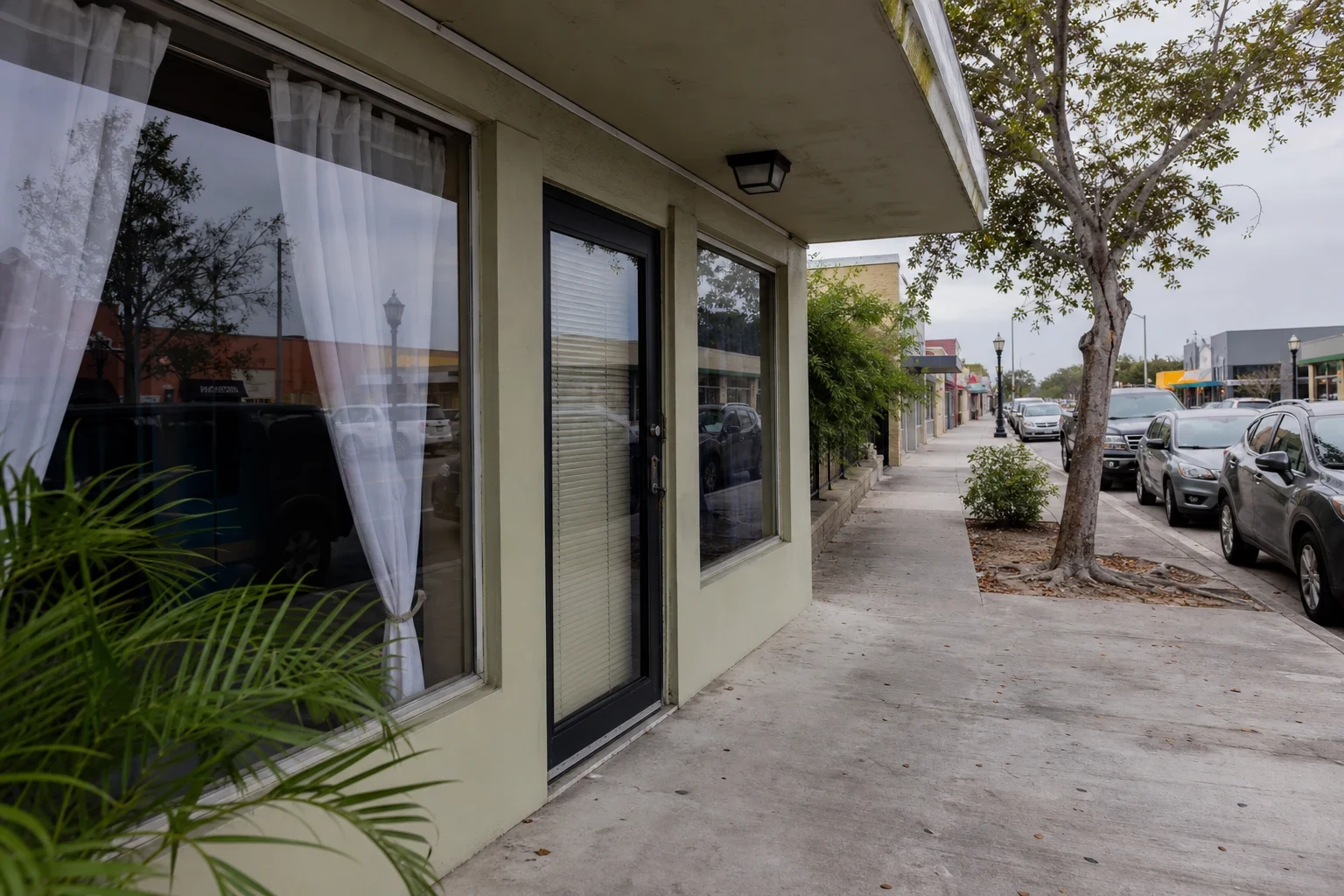
Services That Cover the Life of an Exemption
An exemption is not a single filing. It starts with an application, moves through certification and the county return, and then needs steady upkeep so the savings carry into the next tax year. Clients include Coral Rock Development Group and Terra Group, and we give the same attention to an owner with one qualifying building. If you are new to the program, start with live local act exemption applications; if you already hold the exemption, ongoing compliance support and annual recertification keep it in good standing.

Exemption Applications
We prepare Live Local Act property tax exemption applications, matching each qualifying unit to its income tier so the savings stand up year after year.

FHFC Certification Filing
We assemble and file your Florida Housing Finance Corporation certification request so the county exemption application rests on a clean, consistent record.

County DR-504AFH Filing
We prepare and file the DR-504AFH return with the county property appraiser so your FHFC certification becomes a Live Local Act exemption on the tax roll.

Annual Recertification
We renew your Live Local Act exemption every year, refreshing the FHFC certification, the county filing and the resident records behind them.

Resident Income Verification
We certify each affordable unit's resident income against current limits and keep a file that supports your exemption at every renewal.
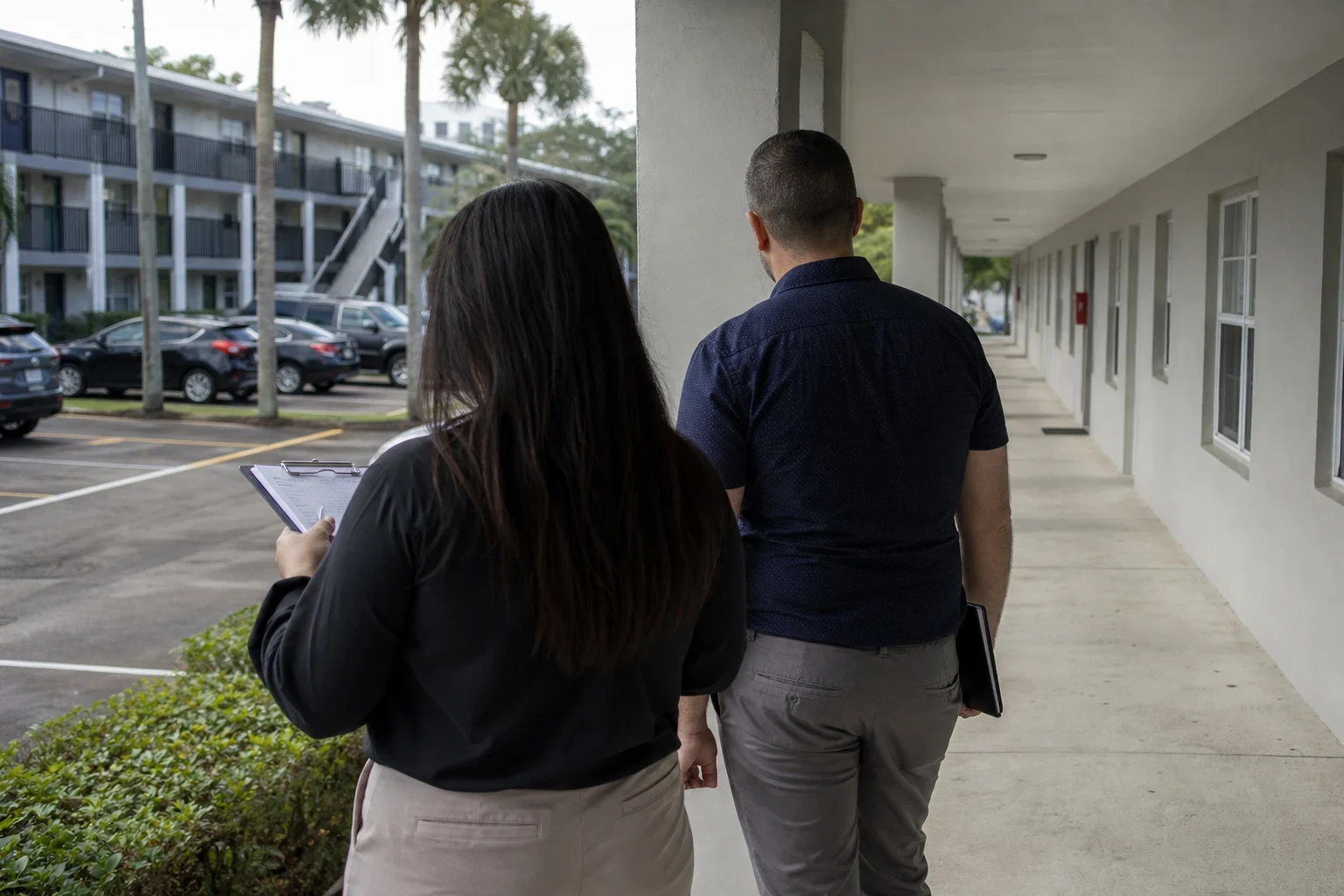
Ongoing Compliance Support
Year-round tracking of rent limits, resident files and filing dates, so a Live Local exemption you earned once keeps paying off every year after.
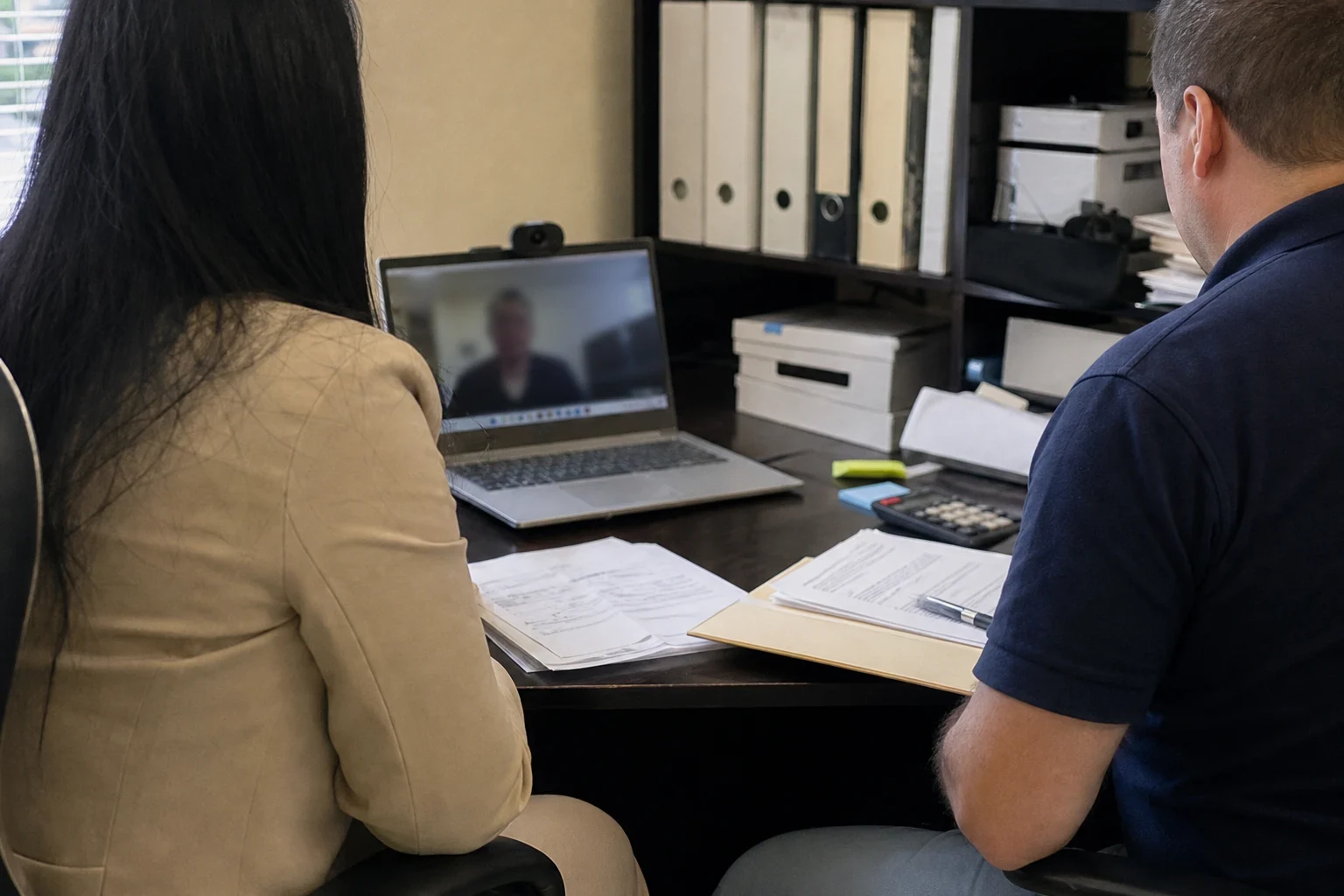
About Our Practice
We are a small consulting practice focused on one area of Florida law: the property tax exemption created by the Live Local Act for income-restricted rental units. Narrow focus lets us know the forms, the timing and the common points where applications stall.
Our view is simple. An exemption is only worth having if it is still worth having several years in. That is why we spend as much time on recordkeeping and renewal as on the first filing, and why we will tell you when a property is not a good candidate.
- Certifications
- Clients include Coral Rock Development Group and Terra Group
How an Engagement Runs
Most clients follow the same path, adjusted to where their property already stands.
- 1
Savings estimate
On a first call we talk through unit count, current rents and recent tax bills. You come away with a rough picture of what the exemption could be worth and what it would ask of you.
- 2
Eligibility review
We look at your rent roll, lease terms and income limits for the area to confirm which units can qualify. If something stands in the way, we explain what would need to change.
- 3
Certification and county filing
We prepare the certification request for Florida Housing, then the DR-504AFH return for the property appraiser. You review and sign; we handle the assembly and follow-up.
- 4
Income verification set up
We put a simple routine in place for checking resident income at move-in and renewal, so each year's file builds itself rather than being reconstructed.
- 5
Yearly recertification
Before each new tax year we review changes, update records and refile, so the savings continue without a gap.

What Drives the Fee for Exemption Work
We set our fee by the work your property truly calls for. A newer building with orderly records needs much less than an older portfolio carrying years of mixed paperwork. We agree on the scope with you before starting.
The first step is a free savings estimate by phone. After that you get a written scope spelling out what we will prepare and file. We quote no figures until we know what your property needs.
- Units and how they are set aside
- Each added qualifying unit brings more leases and income files to check. Splitting units across income tiers adds another layer of paperwork.
- How many properties you own
- Every parcel needs a certification and county filing of its own. In a portfolio, some setup carries across buildings, which saves effort over time.
- How complete your records are
- An up-to-date, consistent rent roll goes fast. Gaps in income certifications or older lease files take more time to collect and confirm.
- New build or existing property
- New projects are often designed around the program from day one. Older buildings may first need changes to rents and leasing practices.
- How close the deadline is
- Starting long before the filing window keeps things calm and simple. A tight schedule packs more hours into less time.
How We Work With Owners
We look at the exemption the way you would look at any long-term asset. What it costs to hold matters as much as what it pays in the first year.
We model the full term, not year one
Setting units aside at income-restricted rents has a real cost. We put the rent you give up and the yearly cost of income checks and filings next to the tax you save, across several years, so the decision still makes sense in year five.
Files built to be reread
Every certification packet, rent roll and income record we prepare is organized so a reviewer, an auditor or your own asset manager can follow it later. Clean records cost less to maintain than records rebuilt each spring.
Deadlines on our calendar
State certification, the county filing date and recertification each have their own timing. We track them for you and start early, so nothing depends on a last-week scramble.
A plain answer about fit
Some properties are a strong match and some are not. If the numbers do not hold up for your building, we tell you that during the eligibility check rather than selling you a filing.
Meetings that suit you
We meet at our office, or by phone and video. Most clients never need to leave their desk.
Common Questions From Owners
Something not covered here? (305) 882-9642
How does the Live Local Act exemption work?
It cuts Florida property tax for multifamily rentals that set units aside for residents below certain income limits and keep those rents at or below set caps. Generally, a property needs more than 70 qualifying units. Lower-income tier units can be fully exempt, while higher-tier units receive a partial exemption.
How do I find out if my property qualifies?
Start with our free eligibility check. We go over your unit count, rents, resident incomes and lease terms. When we finish, you will know whether the property likely fits, could fit after some changes, or is not a match.
Is the tax saved worth the lower rents?
That varies by property. We compare the rent you forgo on set-aside units, plus the yearly cost of income checks and filings, with the tax you save over several years. That comparison is the core of our free savings estimate.
What separates certification from the DR-504AFH?
Certification comes from Florida Housing Finance Corporation and confirms your units meet program rules. The DR-504AFH is the exemption application filed with the county property appraiser, and it relies on that certification. Both are required, and certification comes first.
Do we have to reapply every year?
Yes. The exemption does not renew itself. Each year the property needs a current certification and a new county filing, supported by updated income and rent records. Our annual recertification service handles that yearly cycle.
What happens when a resident's income rises above the limit?
The exemption does not stop on its own, but how that unit is counted may change. We review these cases during income verification and help you keep enough qualifying units to stay in the program.
Is an in-person meeting required?
No. Many clients work with us entirely by phone and video and share documents electronically. Our office is also open if you prefer to meet there.
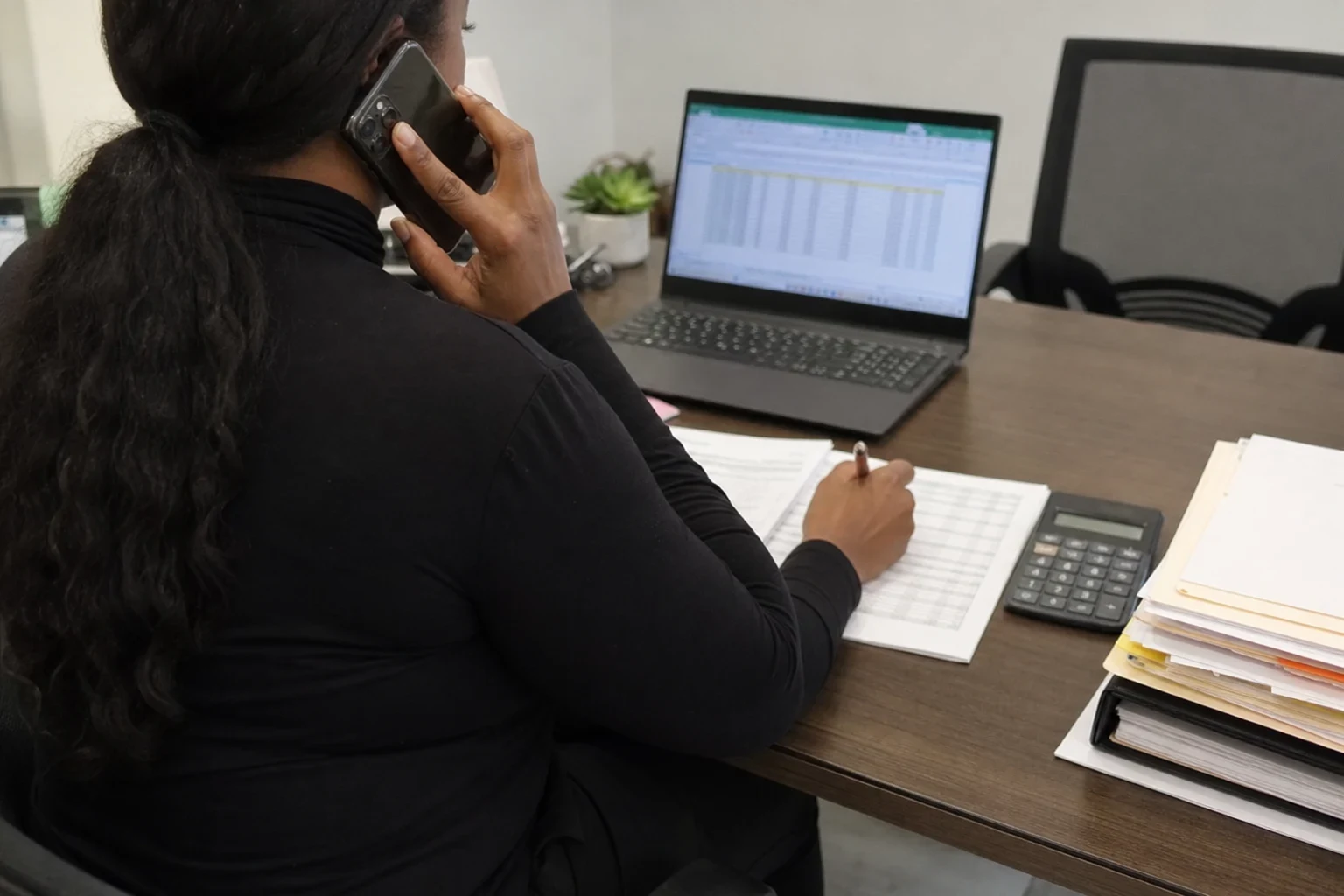
Find Out What the Exemption Is Worth Over Time
A short phone conversation is enough to see whether your property fits and what it could save across the years ahead. There is no cost and no obligation.